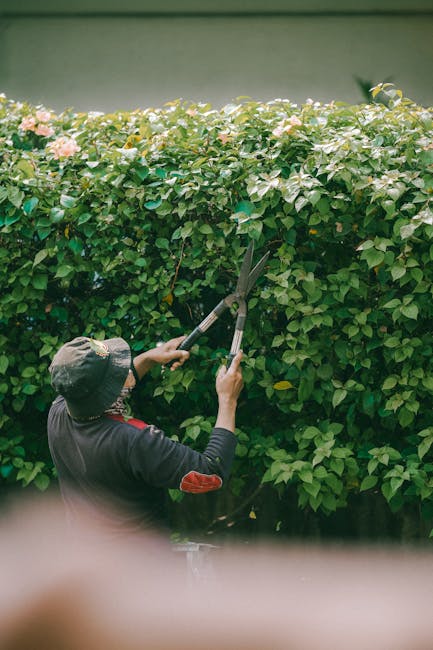
Belgravia garden maintenance pricing avoid hidden charges

If you are comparing Belgravia garden maintenance pricing avoid hidden charges is probably the real question behind the search. Not just "how much does it cost?", but "what exactly am I paying for, and what might quietly get added later?" Fair enough. Nobody enjoys a tidy-looking quote that turns messy the moment the work starts.
In Belgravia, where gardens often sit behind terraces, shared access routes, or neatly finished courtyards, pricing can shift depending on layout, timing, plant growth, and the level of detail needed. This guide breaks down how to read quotes, spot hidden extras, and choose a service that feels transparent from the start. You will also find practical questions to ask, a simple comparison table, and a checklist you can use before booking. The goal is straightforward: less guessing, fewer surprises, better value.
Why Belgravia garden maintenance pricing avoid hidden charges Matters
Hidden charges are rarely dramatic. That is the trouble. They tend to arrive in small, polite-looking add-ons: extra waste removal, access fees, minimum visit charges, parking, disposal of overgrowth, edging, strimming, or a separate rate for clearing up after the main job. One line item here, another there, and suddenly the final invoice looks nothing like the first price you saw.
For Belgravia properties, this matters even more because gardens can be compact but detailed. A small space does not always mean a small job. A courtyard with planters, mature shrubs, and tight access can take longer than a bigger open lawn. Ask anyone who has tried to drag green waste through a narrow side passage on a wet morning. It is not glamorous. It is just work.
Transparent pricing protects both sides. You know what is included, and the gardener knows what standard to work to. That makes the visit smoother, the billing cleaner, and the relationship far more likely to last.
Practical takeaway: if a quote is vague, the risk is not only overpaying. It is also ending up with work that feels unfinished because the original brief was never properly defined.
How Belgravia garden maintenance pricing avoid hidden charges Works
Good garden maintenance pricing usually starts with a clear scope. In simple terms, the provider should define what tasks are included, how long the work is expected to take, what materials or disposal are covered, and what counts as extra. That sounds obvious, but lots of confusion comes from assumptions rather than dishonesty.
For example, a standard visit might include lawn mowing, light weeding, hedge shaping, pruning, tidying borders, and removing visible debris. But if the garden needs a full clearance, thick bramble cutting, tree limb removal, or significant waste disposal, those items may sit outside the base price. The key is that this should be explained before work begins. Not after. Never after.
A transparent pricing process normally follows this pattern:
- Initial assessment: the garden size, condition, access, and requested tasks are reviewed.
- Scope confirmation: the work list is written down in plain English.
- Price breakdown: labour, disposal, materials, and any one-off extras are separated where needed.
- Approval before work: you agree to the plan before the gardener starts.
- Clear invoicing: the final bill should match the agreed scope, with extras only if you approved them.
It helps to think of pricing in two buckets: routine maintenance and exception work. Routine work is the regular, repeatable stuff. Exception work is the messy, less predictable stuff that often causes billing disputes. If a quote does not distinguish between the two, ask for clarification.
In many cases, a decent provider will talk through the quote in a way that feels calm and specific. No hard sell. No fog. Just detail. That is usually a good sign.
Key Benefits and Practical Advantages
Clear garden maintenance pricing is not just about avoiding unpleasant surprises. It changes the whole experience in practical ways.
- Better budgeting: you can plan monthly or seasonal spend without guessing.
- Fewer disputes: a written scope reduces the chance of "I thought that was included".
- More consistent upkeep: when pricing is clear, regular maintenance becomes easier to keep on schedule.
- Improved value comparison: you can compare apples with apples instead of comparing one all-in quote to one stripped-back teaser price.
- Less stress on the day: nobody wants to negotiate while the mower is already running.
There is also a quality angle. Transparent pricing often reflects a more organised service overall. If the business explains what it does, what it does not do, and how it handles extras, it usually means the operation itself is more structured too. Not always, of course, but often enough to matter.
For ongoing services, the benefits add up. A monthly or fortnightly arrangement with garden maintenance can stay predictable if the quote clearly separates standard visits from one-off work. If your garden also needs occasional tidy-ups after heavy growth, pairing that with lawn mowing or targeted hedge trimming can keep the account tidy as well as the garden.
Who This Is For and When It Makes Sense
This approach is useful for just about anyone with a garden in Belgravia, but some people benefit more than others.
- Homeowners who want regular upkeep without surprise add-ons.
- Letting agents and landlords who need clean records and easy cost control.
- Property managers dealing with shared outdoor spaces or repeat visits.
- Busy residents who do not have time to chase small billing issues.
- People preparing a property for sale or tenancy who need clear one-off work such as tidying, waste removal, or boundary trimming.
It also makes sense if your garden has a mix of elements: lawn, beds, shrubs, maybe some decking or hard landscaping around the edges. The more varied the space, the easier it is for pricing to become vague unless the scope is spelled out properly.
If your outdoor area is more of a "weekend satisfaction" project than a simple lawn, you may also want to review landscape gardening or landscaping options alongside maintenance. Just keep the quote boundaries clear. Design work, restoration, and routine upkeep are very different things. Mix them up and costs can wander.
Step-by-Step Guidance
Here is a simple, practical way to keep garden maintenance pricing transparent from the outset.
- List what you want done. Be specific. "Tidy the garden" is too vague. "Mow lawn, weed borders, trim one hedge, remove clippings" is much easier to price.
- Describe the garden's condition honestly. If it has been neglected for a while, say so. A garden that has "gone a bit wild" is not the same as a weekly maintenance visit.
- Ask what is included in the base price. Check labour, equipment, waste removal, and the finish level expected.
- Ask what counts as an extra. Extra overgrowth, deep clearance, extra visits, difficult access, parking issues, or heavy waste can all affect the price.
- Request a written quote. A written breakdown is better than a quick verbal estimate, especially if several tasks are involved.
- Confirm the bill-before-start rule. If extra work comes up, ask whether the team will stop and get approval first.
- Check payment terms. Know when payment is due and how invoicing works. That matters more than people think.
- Review the result against the agreed scope. A good service should finish the work that was quoted, not a slightly different version of it.
A useful habit: keep the quote, the email trail, and any notes from the visit together in one place. It saves time later if anything needs to be checked. Slightly dull, yes. Very useful, also yes.
Expert Tips for Better Results
After enough garden jobs, a few patterns start to show up. The people who avoid hidden charges tend to ask sharper questions, but not in a confrontational way. They simply want the brief nailed down.
- Ask for task names, not just a total. A single number is convenient, but a breakdown tells you what that number actually covers.
- Check access details early. Narrow side passages, basement steps, locked gates, or limited parking can change labour time. Better to mention it upfront.
- Be honest about waste volume. One small green bag and three bulky piles are not the same job.
- Ask whether the price is one-off or ongoing. Regular maintenance can cost differently from a first visit because the initial tidy-up is often heavier.
- Look for sensible language. Clear, calm wording beats flashy promises. If a quote sounds too neat, ask more questions.
Also, do not be shy about asking how the work will be finished. You do not want a tidy front edge and a rough back corner. It happens. More often than people admit.
If you are unsure whether the job includes specialist tasks, check the service range first. For example, heavy boundary work might sit closer to tree lopping and removal, while a substantial seasonal tidy may be better suited to garden clearance. That distinction can save money and confusion.
Common Mistakes to Avoid
The biggest pricing mistakes are usually simple ones. That is what makes them annoying.
- Assuming "maintenance" means everything. It often does not. Maintenance is usually lighter and more regular than clearance or restoration.
- Accepting vague quotes. If the quote does not say what is included, you are taking on unnecessary risk.
- Forgetting disposal costs. Waste removal can be a real part of the job, not just an afterthought.
- Not mentioning access problems. Difficult access can change the time on site and therefore the cost.
- Comparing quotes without checking scope. A cheaper quote may simply exclude work the others include.
- Leaving extras undocumented. If extra work is agreed verbally, make sure it is written down or confirmed in a message.
One of the more common scenarios is a first-time visit that reveals a thicker hedge, more debris, or a patch of growth behind a shed that nobody mentioned. The initial quote was not necessarily dishonest; it was just incomplete. That is why the brief matters.
Tools, Resources and Recommendations
You do not need specialist software to avoid hidden charges. A simple note on your phone often does the job. Still, a few tools and habits can help.
- Garden photos: take a few clear pictures from different angles before requesting a quote.
- A task list: write down everything you want done, then cross-check it with the quote.
- Seasonal reminder: some gardens need more work after spring growth or late-summer cutting back.
- Budget range: decide your comfort zone before you start comparing services.
- Service reference pages: review the provider's broader service pages so you understand how routine care differs from one-off work. The services overview page can be a helpful starting point, especially if you are weighing different types of outdoor work.
If sustainability matters to you, it is worth asking how clippings, branches, and waste are handled. The provider's recycling and sustainability approach can also give you a feel for how carefully they manage disposal and sorting. That does not automatically change the price, but it can help you choose a more responsible service.
And if your payment process matters just as much as the garden itself, check the company's payment and security information before confirming. Simple, boring, reassuring. All good things.
Law, Compliance, Standards, or Best Practice
Garden maintenance pricing is not a heavily regulated consumer niche in the same way as some licensed trades, but there are still important UK best-practice expectations. The main one is straightforward: the customer should not be misled about the price, and the service provider should not spring significant extras on you without proper agreement.
In practical terms, that means clear descriptions, honest estimates, and written terms that explain what happens if the job changes. Good providers usually document scope, payment timing, complaints handling, insurance position, and any safety-related limits. Those policies do not make a quote perfect, but they do show that the business is trying to operate properly rather than casually.
If work involves ladders, power tools, debris, or access through shared spaces, health and safety matters too. A well-run company should work within its own safety procedures and explain any limitations. You can usually learn a lot by reading a provider's health and safety policy and insurance and safety information. If those pages are clear, that is a positive sign.
For customer confidence, it also helps if complaints and privacy handling are explained in plain English. Nobody wants to dig through fine print just to figure out how an issue would be dealt with. If a company has a visible complaints procedure, that is a sensible marker of accountability. Not exciting. Still useful.
Finally, if you are arranging ongoing visits, check the service terms around notice periods, changes to scope, and payment due dates. The terms and conditions matter more than most people think, because that is where the "what if?" questions usually live.
Options, Methods, or Comparison Table
Not every pricing model works the same way. Here is a simple comparison of common approaches and where hidden charges tend to creep in.
| Pricing method | How it usually works | Best for | Hidden charge risk |
|---|---|---|---|
| Fixed visit rate | One price per agreed visit, based on a defined scope | Regular maintenance on predictable gardens | Lower, if tasks are clearly listed |
| Hourly rate | You pay for time spent on site | Unusual or variable jobs | Moderate, if the scope is unclear |
| Quote for task package | A bundle of tasks is priced together | Mixed work such as mowing, trimming, and tidying | Moderate, if extras are not defined |
| Clearance-style pricing | Cost reflects waste volume, labour, and removal | Overgrown or neglected gardens | Higher, if waste rules are vague |
For most Belgravia gardens, a clear fixed-visit or task-package approach is easiest to manage. Hourly pricing can work, but only when the work is genuinely variable and the provider is very clear about start and stop times. Otherwise it can feel a bit like watching the meter on a taxi that is stuck in traffic.
Case Study or Real-World Example
Imagine a small Belgravia townhouse garden with a lawn, two borders, a climbing plant along the fence, and a narrow side route for access. The owner wants regular maintenance after a period of neglect. At first glance, it looks like a simple tidy-up. In reality, the first visit includes thicker-than-expected grass, hand weeding around established planting, hedge shaping, and a fair amount of green waste.
A clear quote in that situation would separate the first reset visit from the ongoing maintenance visits. The reset might include extra labour and waste removal, while the later visits become quicker and cheaper because the garden is already under control. That distinction is important. Otherwise the owner might assume every visit should cost the same, and the gardener may assume every visit needs the same amount of work. Cue confusion.
Now compare that with a vague quote that simply says "general garden maintenance". It sounds tidy, but it leaves room for disagreement. Does it include waste disposal? Is hedge trimming extra? Are the borders weeded each time or only if requested? What about a seasonal cut-back after strong growth? These are small questions, but they shape the final bill.
The best price is not always the lowest price. It is the price that matches the real job, with no awkward surprises at the end.
That little difference can save an unpleasant conversation later. And honestly, that is worth a lot.
Practical Checklist
Use this checklist before you agree to any garden maintenance quote in Belgravia.
- Have I listed every task I want completed?
- Have I explained access issues, parking, or shared entry points?
- Does the quote say what is included?
- Does it say what is not included?
- Are waste removal and disposal covered?
- Have I asked whether the price is fixed, hourly, or task-based?
- Do I know how extra work will be approved?
- Have I checked the payment terms?
- Have I compared like with like across more than one quote?
- Do the company policies feel clear and professional?
- Have I saved the written quote and any follow-up messages?
If you can tick those off, you are in a much stronger position. Not flawless. But stronger, definitely.
Get a free quote today and see how much you can save.
Conclusion
Belgravia garden maintenance pricing avoid hidden charges is really about one thing: clarity. When the scope is defined, the pricing is written down, and extra work needs approval before it happens, the whole process becomes calmer and more predictable. You save time, reduce stress, and make it easier to keep the garden looking sharp without wondering what the final bill will be.
Whether you need regular upkeep, a first-time tidy, or a more involved reset, the smartest move is to ask detailed questions early. That small bit of care up front usually pays off later. And to be fair, a tidy garden and a tidy invoice should go together.
When the details are handled properly, the rest of it feels lighter. That is the kind of service worth keeping.
Frequently Asked Questions
What should be included in a garden maintenance quote?
A good quote should list the tasks included, such as mowing, weeding, trimming, pruning, and tidying, plus whether waste removal, materials, or extra labour are covered. If the scope is vague, ask for it in writing.
How do I avoid hidden charges for garden maintenance in Belgravia?
Ask for a written breakdown, confirm what counts as an extra, and make sure the provider agrees to get approval before doing additional work. Photos and a clear task list help a lot too.
Is a fixed-price quote better than hourly pricing?
For routine work, fixed pricing is often easier to manage because you know the cost in advance. Hourly pricing can work for unusual or unpredictable jobs, but only if the provider is very clear about the scope.
Why do first visits cost more than regular visits?
First visits often involve more work because the garden may need a reset before it can be maintained regularly. That can mean heavier mowing, deeper weeding, more trimming, and extra waste removal.
Should waste disposal be included in the price?
It should be clearly stated either way. Some providers include disposal, while others price it separately. The important thing is that you know before work begins.
What counts as an extra charge in garden maintenance?
Common extras include overgrown areas, difficult access, heavy waste, additional visits, specialist cutting, and changes to the original brief. If something was not mentioned in the quote, clarify it first.
How do I compare two quotes fairly?
Compare the scope, not just the number. Check whether each quote includes the same tasks, the same waste handling, and the same level of finish. A lower price is not always better if it excludes important work.
Do I need a written quote or is a message enough?
A written quote is better because it gives you a clear record of what was agreed. A message can help too, but the main point is having something you can refer back to later.
What if the gardener finds extra work once they start?
They should pause and tell you before charging for it. Good practice is to confirm any added cost before the extra work goes ahead. That keeps everything transparent.
Can garden maintenance include hedge trimming and lawn mowing?
Yes, if those tasks are listed in the quote. They are often part of routine maintenance, but depending on the size and condition of the hedge or lawn, they may need separate pricing or a different service scope.
How often should I book maintenance to keep costs predictable?
Regular visits usually make costs easier to predict because the garden stays under control. If you leave it too long between visits, the work often becomes more involved and less predictable.
What should I check in the company's terms before booking?
Look for payment timing, cancellation or rescheduling terms, how extra work is approved, and what happens if access is not available. Those details can matter as much as the price itself.