Avoid these common gardening mistakes in Victoria garden maintenance
If your garden in Victoria looks a bit tired, patchy, or somehow harder work than it should be, you are not alone. A lot of people end up making the same avoidable mistakes: watering at the wrong time, pruning too hard, ignoring soil health, or leaving seasonal jobs until the weather has already turned. The good news? Most of those issues are fixable once you know what to watch for.
This guide to Avoid these common gardening mistakes in Victoria garden maintenance is written to help you spot the problems early, make better decisions through the year, and keep your outdoor space healthier with less guesswork. Whether you manage a small front garden, a shared courtyard, or a larger landscaped property, the same principles apply. A little care in the right place saves a lot of grief later. Truth be told, that is half the battle.
Along the way, we will cover the most common errors, the practical reasons they matter, and the steps that make maintenance easier. We will also link to a few useful resources if you want to explore related services such as garden maintenance in London, lawn care support, and hedge trimming services.
Table of Contents
- Why Avoid these common gardening mistakes in Victoria garden maintenance Matters
- How Avoid these common gardening mistakes in Victoria garden maintenance Works
- Key Benefits and Practical Advantages
- Who This Is For and When It Makes Sense
- Step-by-Step Guidance
- Expert Tips for Better Results
- Common Mistakes to Avoid
- Tools, Resources and Recommendations
- Law, Compliance, Standards, or Best Practice
- Options, Methods, or Comparison Table
- Case Study or Real-World Example
- Practical Checklist
- Conclusion
- Frequently Asked Questions
Why Avoid these common gardening mistakes in Victoria garden maintenance Matters
Victoria gardens, especially in central London settings, can be deceptively tricky. Space is often limited, light conditions shift from bright to shaded in a single afternoon, and patios or courtyards may dry out quickly because of heat reflected from walls and paving. Then there is foot traffic, bin storage, neighbours' fences, and all the little realities of urban gardening. It is not the sort of environment where a one-size-fits-all routine works for long.
A few common mistakes cause most of the trouble. Overwatering can suffocate roots. Poor pruning can leave shrubs stressed or misshapen. Skipping weed control for even a few weeks can turn a tidy bed into a frustrating weekend project. And if you only notice the problem when plants are visibly struggling, the fix usually takes longer.
The point of avoiding these mistakes is not perfection. Nobody gets every season right. The point is stability: healthier growth, fewer emergency jobs, lower replacement costs, and a garden that feels cared for instead of constantly catching up. In our experience, that shift makes the whole space feel easier to live with.
Expert takeaway: Most maintenance problems are not caused by one dramatic failure. They build slowly from small habits that seem harmless at the time.
How Avoid these common gardening mistakes in Victoria garden maintenance Works
Good garden maintenance works like a cycle rather than a one-off task. You observe, respond, and adjust. In a place like Victoria, where gardens may include paving, raised beds, containers, lawns, climbers, and compact planting schemes, the cycle becomes even more important because each area behaves differently.
The practical approach is simple:
- Assess what is actually happening with light, soil, drainage, and plant condition.
- Match the task to the season instead of doing the same jobs every month.
- Use the right technique for pruning, watering, feeding, and cleaning.
- Review the result after a few weeks, not just the same day.
That sounds straightforward, and mostly it is. The snag is that many garden problems are hidden at first. Yellowing leaves may point to overwatering, poor drainage, or nutrient issues. Sparse growth may be about shade, compacted soil, or pruning at the wrong time. A careful eye matters more than a busy one.
If you are dealing with lawns specifically, it can help to read more about lawn treatment options and broader garden clearance support when a plot has become overgrown or difficult to reset.
Key Benefits and Practical Advantages
When you avoid the usual maintenance mistakes, the benefits show up in a lot of small ways rather than one big dramatic reveal. The garden becomes easier to manage. Plants settle. Watering feels less wasteful. And the whole place starts to look intentional, which matters more than people sometimes admit.
- Healthier plants: Roots, leaves, and stems are less likely to suffer avoidable stress.
- Better-looking beds and borders: Clean lines, balanced growth, and fewer bare patches.
- Lower replacement costs: Fewer dead shrubs, fewer failed seasonal plants.
- Less weekend catch-up work: Regular care prevents the messy backlog effect.
- Improved safety and access: Clear paths, tidy edges, and less slipping risk from water, moss, or debris.
- Stronger seasonal performance: Plants cope better with summer heat, wet spells, and colder snaps.
There is also a confidence benefit, which is easy to overlook. Once you understand what to avoid, gardening stops feeling like guesswork. You start noticing patterns. The rosemary always dislikes soggy soil. The hydrangea wilts fast in afternoon sun. The box alternative or evergreen hedge gets straggly if you wait too long to trim it. Simple stuff, but useful.
Who This Is For and When It Makes Sense
This guidance is for anyone looking after a garden in Victoria and nearby central London areas, whether you are doing it yourself or supervising a service provider. It is especially useful if you have:
- a small townhouse garden that needs tidy, regular attention
- a courtyard or paved garden with containers and limited soil volume
- shared outdoor space where presentation matters
- shrubs, hedges, or climbers that need scheduled care
- a lawn that struggles with shade, dryness, or heavy use
It also makes sense if your garden has recently been neglected. In that case, the first step is often not "more gardening," but better prioritising. A hard reset may be needed before routine maintenance can work properly. That can include clearing debris, checking drainage, pruning safely, and deciding which plants are worth keeping.
If the garden is already overgrown, a service such as overgrown garden clearance can help restore a workable baseline before you move into regular upkeep.
Step-by-Step Guidance
Here is a practical way to avoid the most common maintenance mistakes without turning every visit into a full-scale project.
1. Start with a quick visual survey
Walk the space slowly. Look for yellowing leaves, leaning stems, compacted soil, weeds in corners, blocked drainage, and signs of pests. You do not need to diagnose everything immediately. Just notice what has changed since last time.
2. Check the soil before reaching for the watering can
Push a finger into the soil or use a small trowel. If the top layer is dry but the lower soil is still moist, watering again may do more harm than good. Containers dry out differently from borders, so they often need separate attention.
3. Match pruning to the plant type
Some shrubs handle a light trim well. Others respond badly to hard cuts or the wrong season. If in doubt, prune less aggressively and remove only damaged, dead, or crossing growth. A rushed haircut on the wrong plant can take months to recover. Sometimes longer.
4. Clear weeds before they seed
Letting weeds mature is one of those jobs that quietly multiplies. Pull or cut them early, and do not ignore the ones growing between paving cracks. Those are usually the ones that turn into the annoying bit later.
5. Feed only when it makes sense
Too much feeding can create soft, sappy growth that looks good briefly but struggles in heat or cold. Use plant-specific feeding rather than a blanket approach. A little discipline here makes a real difference.
6. Watch the drainage
If water pools after rain, or the soil stays soggy for too long, roots may begin to suffer. In a compact London garden, drainage problems often come from blocked surfaces, shallow soil, or containers without proper airflow underneath.
7. Finish with a tidy reset
Collect clippings, clear debris, and check that paths and edges are safe. A ten-minute tidy-up makes the garden feel cared for and gives you a clean starting point next time.
For formal hedges or boundary planting, it is worth planning cuts carefully. If your garden has taller screening plants, shrub and hedge maintenance is often best handled with a seasonal rhythm rather than reactive trimming every time it starts to look messy.
Expert Tips for Better Results
A few small habits can save you a lot of stress. Not glamorous, admittedly, but effective.
- Water deeply, less often: This encourages roots to grow down rather than stay near the surface.
- Use mulch carefully: Organic mulch can help retain moisture and suppress weeds, but keep it away from plant stems and trunks.
- Trim with the plant's shape in mind: The best pruning often looks almost too restrained at first.
- Keep an eye on microclimates: A sheltered corner beside a brick wall may behave very differently from an open edge exposed to wind.
- Use seasonal timing: Spring and early autumn are often the most useful moments to reset or rejuvenate planting, depending on the plant type.
- Inspect containers more often: Pots can dry out fast, especially in sunny or windy spots. A plant can look fine in the morning and stressed by late afternoon. Happens all the time.
One practical tip people often miss: pay attention to the garden after rain, not just during dry weather. Rain reveals drainage issues, compaction, low points, and hidden puddling far more clearly than a dry day does.
If you are improving the planting mix or dealing with tired beds, consider whether the soil itself needs refreshing. Sometimes the "plant problem" is really a soil problem. That is not a dramatic answer, but it is usually the right one.
Common Mistakes to Avoid
These are the big ones. The recurring culprits. The habits that quietly cause most maintenance headaches in Victoria gardens.
1. Overwatering or watering on autopilot
This is probably the most common mistake. People see a dry top layer and assume the whole root zone is dry too. It often is not. Overwatering leads to weak roots, fungal issues, and disappointing growth. The fix is simple in principle: check first, water second.
2. Pruning at the wrong time
Some plants flower on old wood, some on new growth, and some are sensitive to hard cutting. If you prune blindly, you may remove next season's flowers or weaken the plant. A light, informed trim is usually safer than a heavy one.
3. Ignoring soil quality
Soil is easy to forget because it is not as visible as flowers or hedges. But compacted or exhausted soil will limit root health, drainage, and nutrient uptake. If a plant keeps struggling in the same place, the soil may be telling you something.
4. Letting weeds get established
Weeds are much easier to remove when small. Leave them, and they compete for light, water, and nutrients. They also make the space look tired much sooner than people expect.
5. Using the same approach for lawns, beds, and containers
Each part of the garden needs a different rhythm. Lawns need mowing discipline and occasional feeding. Beds need mulching, spacing, and selective pruning. Containers need close monitoring because they dry out so quickly. Treat them all the same and the results get patchy.
6. Cutting hedges too late in the season
Late cuts can leave tender growth exposed or produce an untidy finish that is hard to correct. This is especially noticeable with formal front gardens where appearance matters. A few missed weeks can turn a neat hedge into a sort of green shrug. Not ideal.
7. Forgetting about access and safety
Overgrown paths, slippery paving, and unstable pots create avoidable risk. Maintenance is not just about looks. A well-kept garden should also be easy to move through and use safely.
8. Relying on quick fixes instead of routine care
A single heavy tidy-up can help, but it does not replace regular attention. The strongest gardens usually have boring-sounding habits behind them: checking, clearing, trimming, and correcting small issues early.
| Mistake | What it Often Causes | Better Approach |
|---|---|---|
| Overwatering | Root stress, poor drainage, fungus issues | Check soil moisture before watering |
| Hard pruning at the wrong time | Lost flowers, weak regrowth | Prune lightly and seasonally |
| Ignoring soil health | Poor growth, dry patches, compaction | Mulch, aerate, and refresh tired areas |
| Leaving weeds too long | More labour, visual clutter, competition | Remove weeds while small |
| Uniform maintenance across all areas | Uneven results | Treat lawns, beds, and containers separately |
Tools, Resources and Recommendations
You do not need a shed full of specialist kit to maintain a garden properly. A few dependable tools, used well, are enough for most routine jobs.
- Hand trowel: Useful for checking soil moisture, removing weeds, and planting smaller specimens.
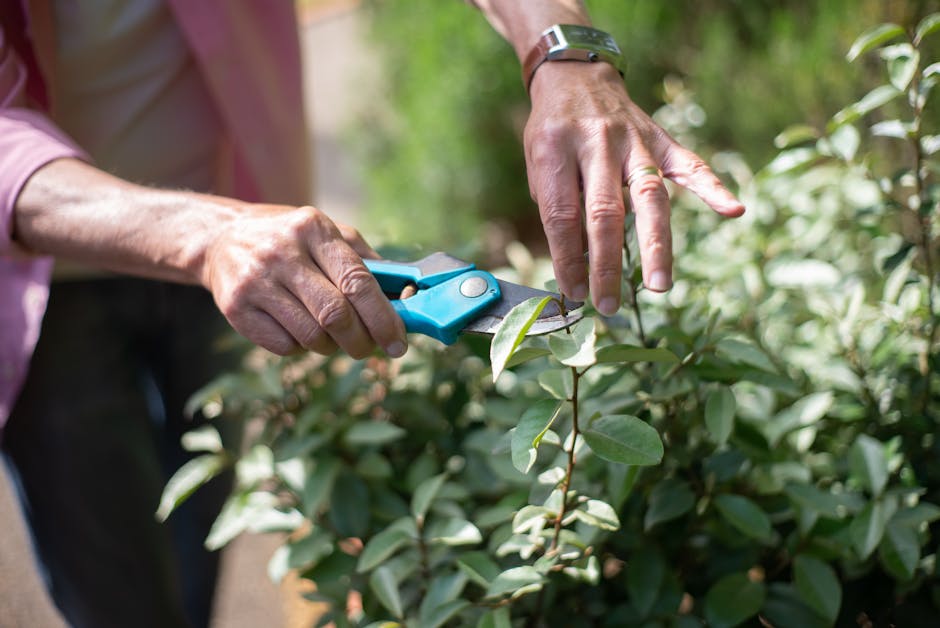
- Bypass secateurs: Better for clean pruning on live stems than an anvil-style cutter.
- Pruning saw: Helpful for thicker woody stems when a secateur is not enough.
- Spade or border fork: Good for lifting compacted soil or refreshing beds.
- Watering can or hose with control: Helps you water directly at the root zone rather than hosing everything indiscriminately.
- Gloves and eye protection: A small thing, but worth it when cutting back dense growth.
- Mulch or compost: Useful for improving soil structure and reducing evaporation.
For larger or recurring jobs, it can be sensible to bring in support rather than forcing everything into a rushed weekend. That may include garden design advice if the space itself is causing maintenance problems, or soil improvement services if beds keep underperforming.
If you are unsure where to start, begin with a seasonal checklist and a few photos. Taking pictures of the same corners over time makes patterns easier to spot. A small habit, yes, but surprisingly useful.
Law, Compliance, Standards, or Best Practice
Most routine garden maintenance is straightforward, but there are still a few practical standards worth respecting. For example, hedges and boundary planting should be maintained carefully so they do not obstruct paths, access points, or neighbouring property use. If a tree is involved, it is wise to be cautious about root disturbance, height reduction, and proximity to structures.
Where work affects shared boundaries, access routes, or protected planting, it is sensible to check local requirements and seek professional advice if needed. Council expectations can vary, and in London there may be local considerations around waste disposal, noise timing, or conservation-sensitive areas. Rather than guessing, ask before you cut if the situation feels borderline.
Good practice also means disposing of green waste responsibly, using safe tools, and not pruning blindly around nesting birds during the main nesting season. Exact rules and timing can vary, so if a job feels sensitive, pause and get guidance. Better safe than sorry, honestly.
For ongoing upkeep, many homeowners and landlords prefer a documented maintenance routine. That helps with consistency and shows a reasonable standard of care, especially in shared or managed properties.
Options, Methods, or Comparison Table
There is no single right way to maintain a garden, but some approaches are much better suited to Victoria's compact, urban gardens than others.
| Method | Best For | Pros | Limitations |
|---|---|---|---|
| DIY routine maintenance | Small gardens, confident homeowners | Flexible, lower cost, immediate action | Easy to miss seasonal mistakes or overload yourself |
| Ad hoc tidy-ups | Short-term recovery | Quick visual improvement | Does not solve underlying problems |
| Scheduled professional care | Busy households, landlords, larger properties | Consistent, more reliable, often more efficient | Requires planning and budget |
| One-off restoration work | Neglected or overgrown gardens | Resets the space and creates a clean baseline | Needs follow-up maintenance to hold results |
If your garden is a constant source of jobs, a scheduled plan usually works better than a scramble. If it is already out of hand, a one-off reset followed by lighter monthly care can be the smartest route. No shame in that. Gardens have moods too, apparently.
Case Study or Real-World Example
Take a typical Victoria terrace garden: a narrow paved space with two raised beds, three containers, and a small hedge at the back. On paper, it sounds simple. In reality, the pots dry quickly, the rear wall creates shade, and the hedge gets trimmed only when it starts to bother the neighbours. That combination often leads to patchy growth, weeds in the joints, and plants that never quite settle.
In one practical seasonal reset, the maintenance approach might look like this: clear all surface debris, check the drainage around the pots, reduce the hedge to a cleaner shape, replace tired compost in the containers, and mulch the beds lightly. Then, over the next few weeks, observe which areas dry out fastest and which plants are struggling in shade.
The result is rarely dramatic on day one. But within a month or two, the garden often looks calmer. Less cluttered. Easier to water. Easier to enjoy. That is the part people notice when the work has been done properly: not just that it looks better, but that it feels easier to live with.
If you are working through a similar garden setup, seasonal garden maintenance can give you a more structured rhythm, especially if you keep losing track of what should happen when.
Practical Checklist
Use this simple checklist before each maintenance visit or weekend tidy-up.
- Check soil moisture before watering.
- Remove visible weeds while they are still small.
- Inspect leaves for pests, disease, or unusual yellowing.
- Prune only what the plant genuinely needs.
- Clear dead growth and dropped debris.
- Look for pooling water or blocked drainage.
- Top up mulch where soil is exposed.
- Trim edges and keep paths clear.
- Check containers for cracked pots, compacted compost, or poor drainage holes.
- Review what changed since the last visit and note it down.
Quick reminder: if you cannot remember the last time a plant was fed, trimmed, or repotted, it is probably overdue for a closer look.
Conclusion
Keeping a Victoria garden in good shape is less about heroic effort and more about avoiding a few common, repeatable mistakes. Water with care. Prune with thought. Watch the soil. Stay ahead of weeds. And do not treat every part of the garden as if it needs the same thing at the same time.
That is really the heart of it. Once you stop fighting the garden and start reading it, maintenance becomes simpler and a lot less frustrating. The space begins to respond, slowly at first, then all at once. A bit of patience goes a long way.
Get a free quote today and see how much you can save.
If you want help turning a difficult or time-consuming garden into something manageable again, the next step is often just a proper assessment. A good plan makes all the difference, and, to be fair, it takes a lot of the pressure off.
Frequently Asked Questions
What are the most common gardening mistakes in Victoria garden maintenance?
The biggest mistakes are overwatering, pruning at the wrong time, ignoring soil health, leaving weeds too long, and using the same routine for lawns, borders, and containers. These issues often build slowly, which is why they are so easy to miss at first.
How often should I water a garden in Victoria?
There is no fixed schedule that suits every garden. Containers may need watering far more often than borders, especially in warm or windy spots. The safer approach is to check the soil first and water deeply only when the root zone is actually drying out.
Is pruning in the wrong season really that harmful?
It can be. Some plants flower on old growth, so heavy pruning at the wrong time removes next season's display. Other plants respond better to a light seasonal trim. If you are unsure, it is usually safer to prune less rather than more.
What should I do if my garden has become overgrown?
Start with a clear-out: remove debris, cut back obvious dead growth, and identify which plants are worth keeping. If the space is heavily overgrown, a professional clearance service can help reset the garden before routine maintenance begins.
Why do my plants keep failing in the same spot?
That usually points to a site issue rather than a plant issue. Common causes include poor drainage, too much shade, compacted soil, or exposure to reflected heat from paving or walls. Changing the plant alone may not fix it.
How can I tell if I am overwatering?
Signs can include yellowing leaves, soft growth, soggy soil, and poor root development. If the surface looks dry but the lower soil is still wet, watering again may make things worse. Containers are especially easy to overwater.
Do I need professional garden maintenance or can I do it myself?
Many people can handle basic upkeep themselves, especially in small gardens. Professional help makes more sense if the garden is large, overgrown, or difficult to maintain consistently. It is also useful if you want a more reliable seasonal schedule.
What tools are essential for regular garden upkeep?
A hand trowel, decent secateurs, gloves, a watering can or controllable hose, and a border fork will cover most routine tasks. A pruning saw, mulch, and compost are also useful for more involved maintenance.
How do I keep a small London garden looking tidy all year?
Use regular short visits rather than occasional big clear-ups. Remove weeds early, keep edges crisp, check containers often, and do light pruning before growth becomes unruly. Small gardens look best when maintenance is steady and consistent.
Are there any local rules I should know before doing garden work?
There can be local considerations around waste disposal, noise, access, and protected planting, especially in London. If the work touches trees, shared boundaries, or conservation-sensitive areas, it is wise to check before you start and seek advice if needed.
What is the easiest mistake to fix first?
Usually watering. Once watering is corrected, many other issues become easier to judge. After that, clearing weeds and refreshing compacted or tired soil are often the next best steps.
How do I stop maintenance from becoming overwhelming?
Break it into small, repeatable jobs: check, clear, trim, water, and review. That simple rhythm stops the backlog from building. And honestly, it is far easier to stay on top of a garden for twenty minutes a week than to rescue it for six hours on a Sunday.